Frank Kratzer built the photo pricing app Underpriced AI for his wife with Claude Code. Last 30 days: $4.4k, verified via Stripe
His wife resells, and pricing every item took time. He built an app that prices an item from a photo and drafts the listing, gave it to her first, then opened it to other resellers.
Key points from sources
- Indie Hackers product page, November 19, 2026: $4.4k in revenue over the last 30 days, verified via Stripe.
- Same page, chart: $5.1k in October 2026 as a calendar month, up from $98 in January.
- His own April 2026 update: $589 MRR, 36 paying users, 842 total users, 66% gross margin.
- His own search numbers: organic search visits went from 2 in January to 41 in February and 1,303 in March.
Last-30-day revenue is read by Indie Hackers directly from his Stripe account. User counts, margin, traffic and costs are his own figures.
Who is he?
Frank Kratzer is a developer. His wife resells thrift-store finds on eBay. She's good at spotting underpriced items, but each one meant digging through eBay sold listings and comparing condition before setting a price. A report quotes him: a $30 item, repeated about 20 times a week.
What did he build?
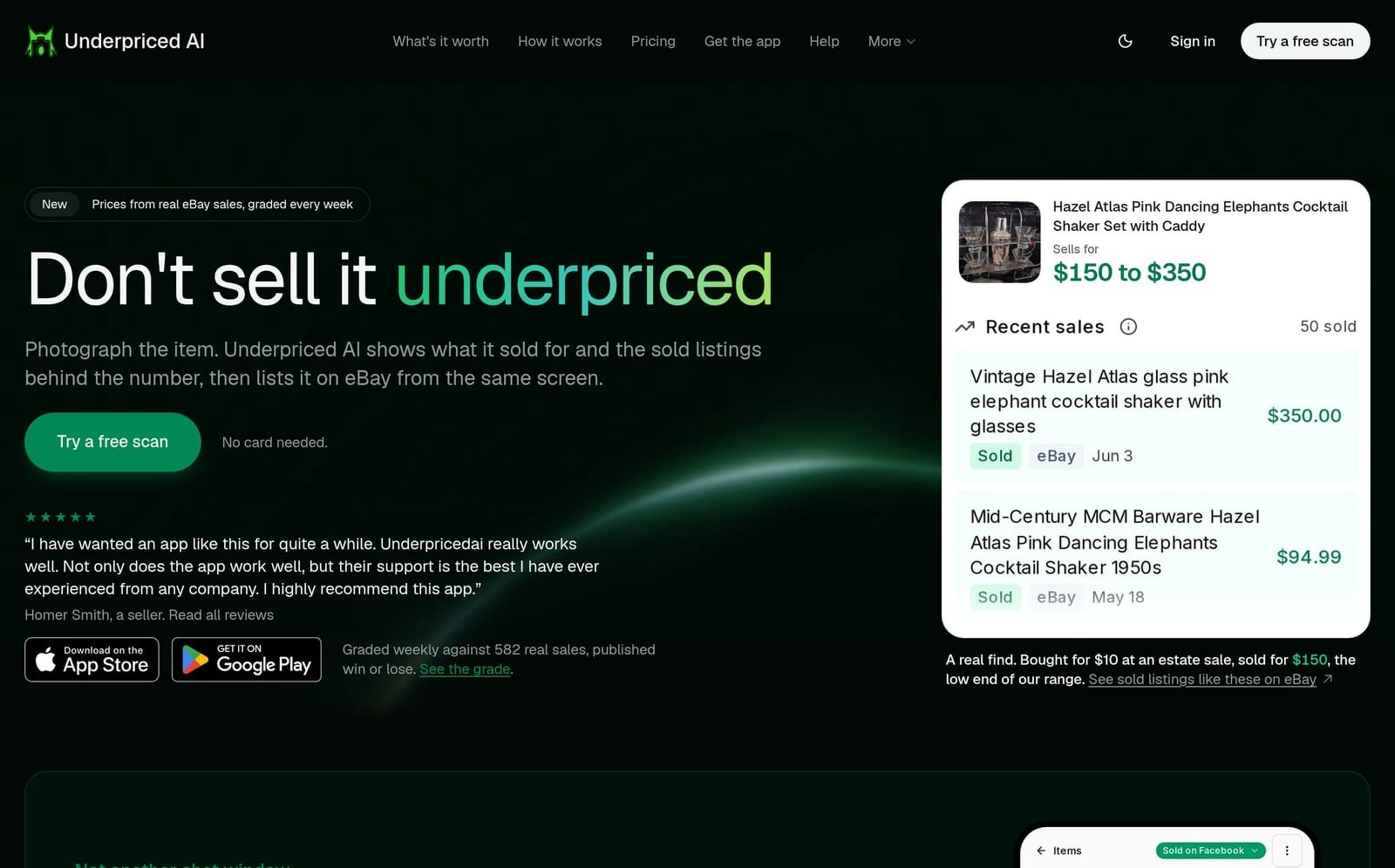
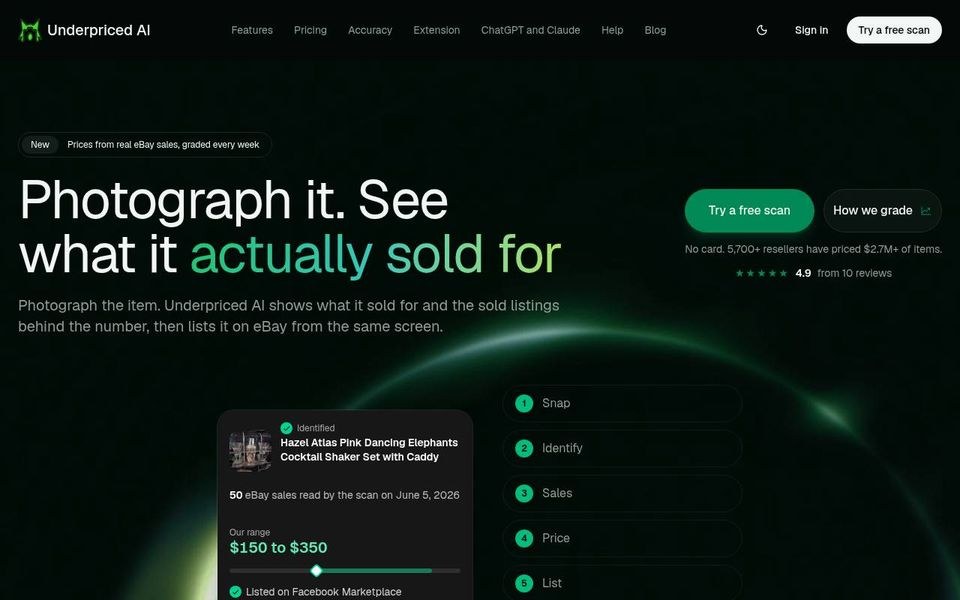
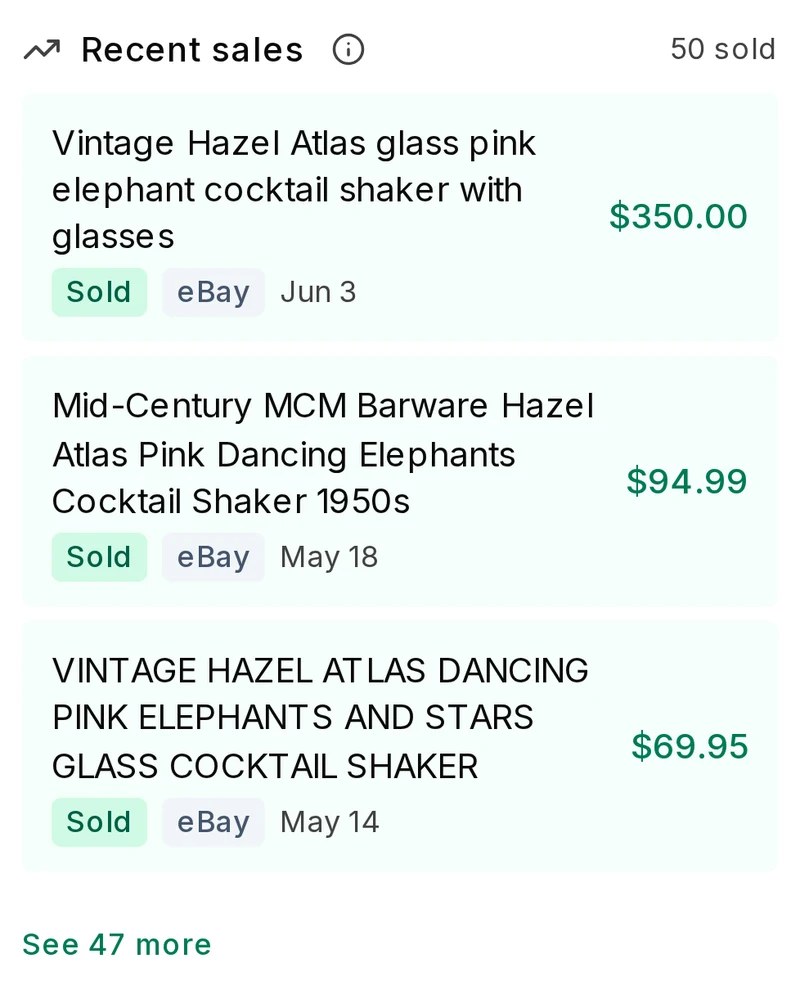
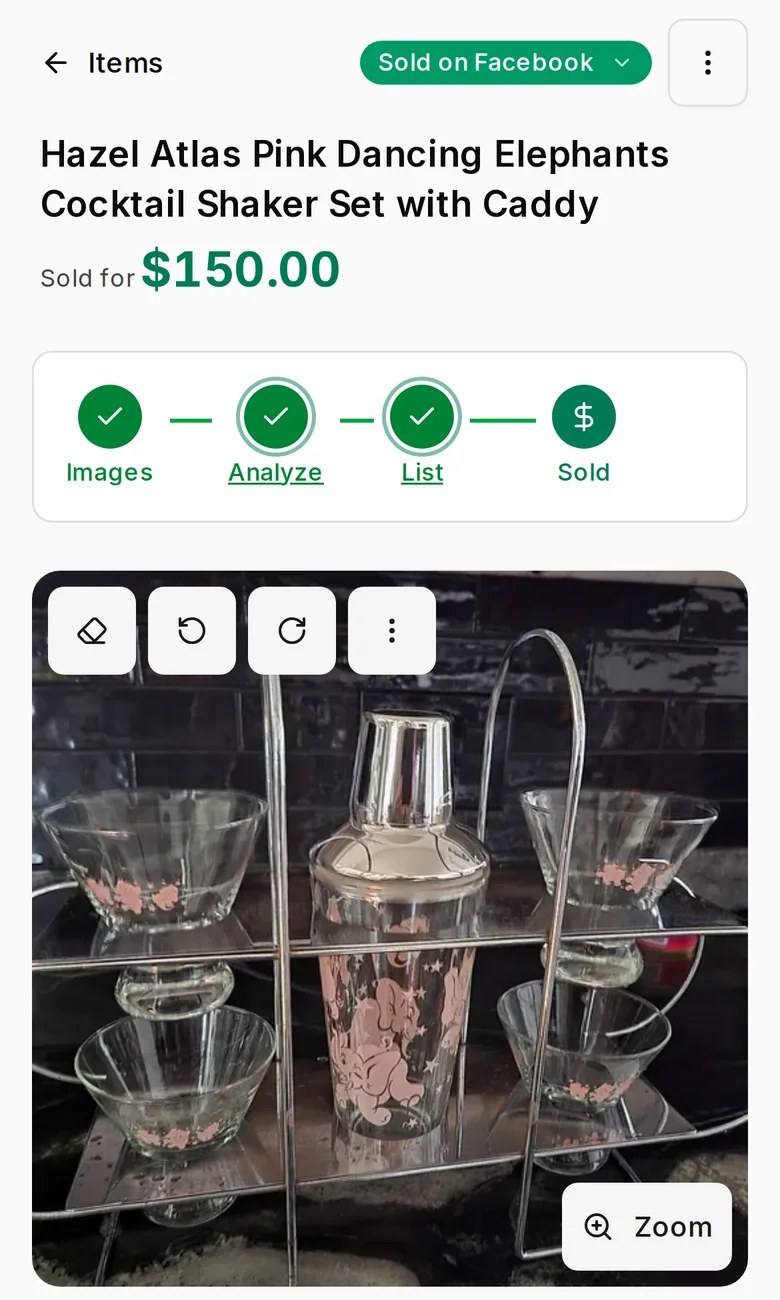
Underpriced AI: take one photo, and AI identifies the item, shows what similar items actually sold for on eBay, and drafts a listing.
Before: Pricing one item meant going back and forth through eBay sold listings. By his account as reported, that took about 15 to 20 minutes.
Now: Now a photo returns a price estimate and a listing draft in about 15 seconds (as reported; not covered by the payment verification). His wife used it for months before he opened it to other resellers around the start of 2026.
The home page says 6,000+ resellers have priced more than $2.8 million worth of items with it. That is the company's own claim. Plans start at $5 a month, and the first scan is free.
How does AI fit in?
AI shows up in two places: writing the code and identifying items in the product.
Writing the code: he says he built the app with Claude Code, using prompts only.
Identifying items: the product uses Claude's image model to recognize what's in the photo.
The real problem he ran into was the cost of running AI:
- After a customer complaint, he found each scan cost $0.52, not the $0.05 he had assumed, about 10 times more.
- He shortened prompts, cut extra web searches, switched from Opus to the cheaper Sonnet model, and changed his pricing.
- He also found the app was close to unusable on common budget Android phones.
How did he find customers?
- Articles for what resellers search He wrote articles on antique identifier apps, thrift store apps and WorthPoint alternatives. By his account, organic search visits grew from 2 in January to 1,303 in March, making search his biggest channel.
- Fixing articles Google skipped In April he found only 15 of his 124 articles were indexed by Google. Most had no images, and some read like obvious AI writing. He added images, rewrote those passages and asked Google to crawl them again.
- Weekly updates, then partners He posted a progress update on Indie Hackers every week. He also built an internal customer tool to find estate sale companies that could recommend the app, then reached out to them.
Worth knowing
- Only the revenue is verified Stripe confirms the revenue. User counts, margin, traffic and costs are his own figures.
- Revenue isn't profit AI calls, app store fees and servers come out first. He put his gross margin at 66% in April.
- Revenue moves around When AI Paid Me checked on November 9, 2026, it showed about $5.2K. On November 19, Indie Hackers showed $4.4k for the last 30 days.
- He's a developer He can read code, which makes it easier to check what Claude Code writes from prompts.
- Free tiers get abused Some people opened three or four accounts to collect free scans, so he added fraud checks.
- A name clash Another reseller service is also called Underpriced. Instead of renaming, he added a note that the two aren't affiliated.
- A crowded market He listed several competitors. His bet is more accurate pricing, not a brand-new idea.
Try it yourself
Frank's approach works for many small tools: build for one real person you know, watch them use it, then bring in strangers with the words they type into Google. Here's a small version you can follow now.
What you'll need
- Someone you know who repeats a slow task every week, such as a reseller, a small shop owner or a teacher.
- A Claude Pro account, which includes Claude Code.
- A Stripe account to take payments.
- A website for your articles.
- A few weekends for the first version, then a few hours a week for articles and updates (our estimate).
-
Time one slow task for one real person
What he didHis wife spent 15 to 20 minutes pricing each item (as reported), about 20 times a week.
What you do nowSit next to that person, time the task and note every step they repeat. If it eats several hours a week, it's worth building a tool for.
-
See what already exists
What he didBefore launch, he listed several competitors.
What you do nowSearch app stores and Google for tools that do the same job. Try two and note where they're slow, missing something or inaccurate. Your version only needs to fix one of those.
-
Build the smallest version with AI
What he didHe built the app with Claude Code, using prompts only.
What you do nowDescribe one screen and one job, such as "upload a photo, get a price range and a listing title." Think each prompt through before you start.
-
Let that person use it for a few weeks
What he didHis wife used it for months before anyone else saw it. He also found the app was close to unusable on common budget Android phones.
What you do nowWatch them use it. Fix first whatever makes them stop or go back to the old way. Try it on a cheap phone too.
-
Work out what each use costs you
What he didHe thought a scan cost $0.05. It was $0.52. He shortened prompts, cut web searches, moved to a cheaper model and changed pricing.
What you do nowBefore setting prices, run 20 real uses and check your AI bill. Make sure every plan covers AI costs and payment fees.
-
Charge from day one, keep the free allowance small
What he didThe first scan is free and plans start at $5 a month. Some people opened three or four accounts for free scans, so he added fraud checks.
What you do nowConnect Stripe and start with one low-priced plan. Keep the free allowance small and require email verification.
-
Write one article a week that buyers search for
What he didHe wrote about antique identifier apps, thrift store apps and WorthPoint alternatives, and search became his biggest channel.
What you do nowList 10 questions your buyers type into Google. Answer one properly each week with your own screenshots or photos, and mention your tool where it helps.
-
Check that Google actually indexed your articles
What he didAt first only 15 of his 124 articles were indexed. He added images, rewrote machine-sounding text and asked Google to crawl them again.
What you do nowAdd your site to Google Search Console and check indexing once a month. Give every article real images and rewrite any passage that reads like a machine wrote it.
-
Share progress weekly, then find partners who can recommend you
What he didHe posted weekly on Indie Hackers and reached out to estate sale companies that could recommend the app.
What you do nowPost one honest update a week: what you shipped, what broke, what the numbers are. Then list five businesses whose customers need exactly your tool.
Common beginner mistakes
- Guessing your AI cost per use instead of checking the bill.
- Publishing lots of quick AI-written articles that Google never indexes.
- Testing only on your own high-end phone.
- Leaving the free allowance open to people with multiple accounts.
- Using a name someone else already uses in the same market. Search first.
- Shipping AI-written login and payment code without testing it carefully.
Realistic expectations
Frank is a developer, and it still took months to reach a few thousand dollars a month: the Indie Hackers chart shows $98 in January and $5.1k in October. Most small apps make little or nothing. A realistic first goal is one person using your tool every week, then your first 10 paying users. AI, servers and payment fees take a real share of revenue.
Tool prices come from each tool's official pricing page, checked on November 19, 2026. Prices change often, so check again before you pay. Times marked "our estimate" are rough guesses for a beginner.
Quick answers
How much did Frank Kratzer make with Underpriced AI?
On November 19, 2026, Indie Hackers showed $4.4k in revenue over the last 30 days, verified via Stripe. The same page's chart shows $5.1k for October 2026 as a calendar month.
Which AI tools does he use?
Claude Code for the code, and Claude's image model to identify items in the product. To cut costs, he moved from Opus to Sonnet.
How do I start?
Time one slow task for one real person, look at the tools that already exist, then build the smallest version with AI. All 9 steps are under "Try it yourself" on this page.
Is this result typical?
No. He's a developer, and it still took months. Most small apps make very little.
Tools
- Claude Code: Writes the app's code; he says he used prompts only.
- Claude (image model): Identifies items in photos. He moved from Opus to Sonnet to save money.
- Stripe: Takes subscription payments; Indie Hackers reads it to verify revenue.
- Google Search Console: Shows which articles Google has indexed.
Sources
- Indie Hackers product page, November 19, 2026
- AI Paid Me: Underpriced AI, Checked November 9, 2026
- Shipped & Paid: Underpriced AI, Checked October 30, 2026
- Claude and Stripe official pricing pages, Checked November 19, 2026
DisclaimerThis is one person's result, summarized from the sources above. It isn't typical, it isn't a promise, and it isn't financial, legal or tax advice.
Other cases
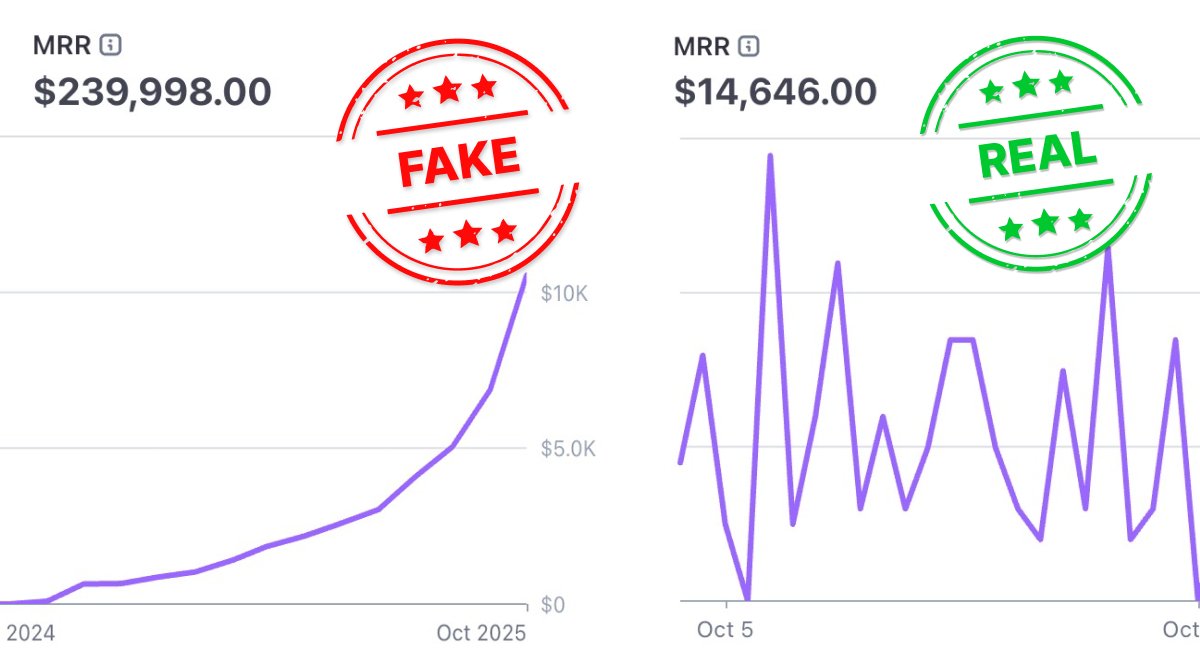
Last 30 days $29,987
TrustMRR
A database and marketplace that connects to payment providers to verify startup revenue
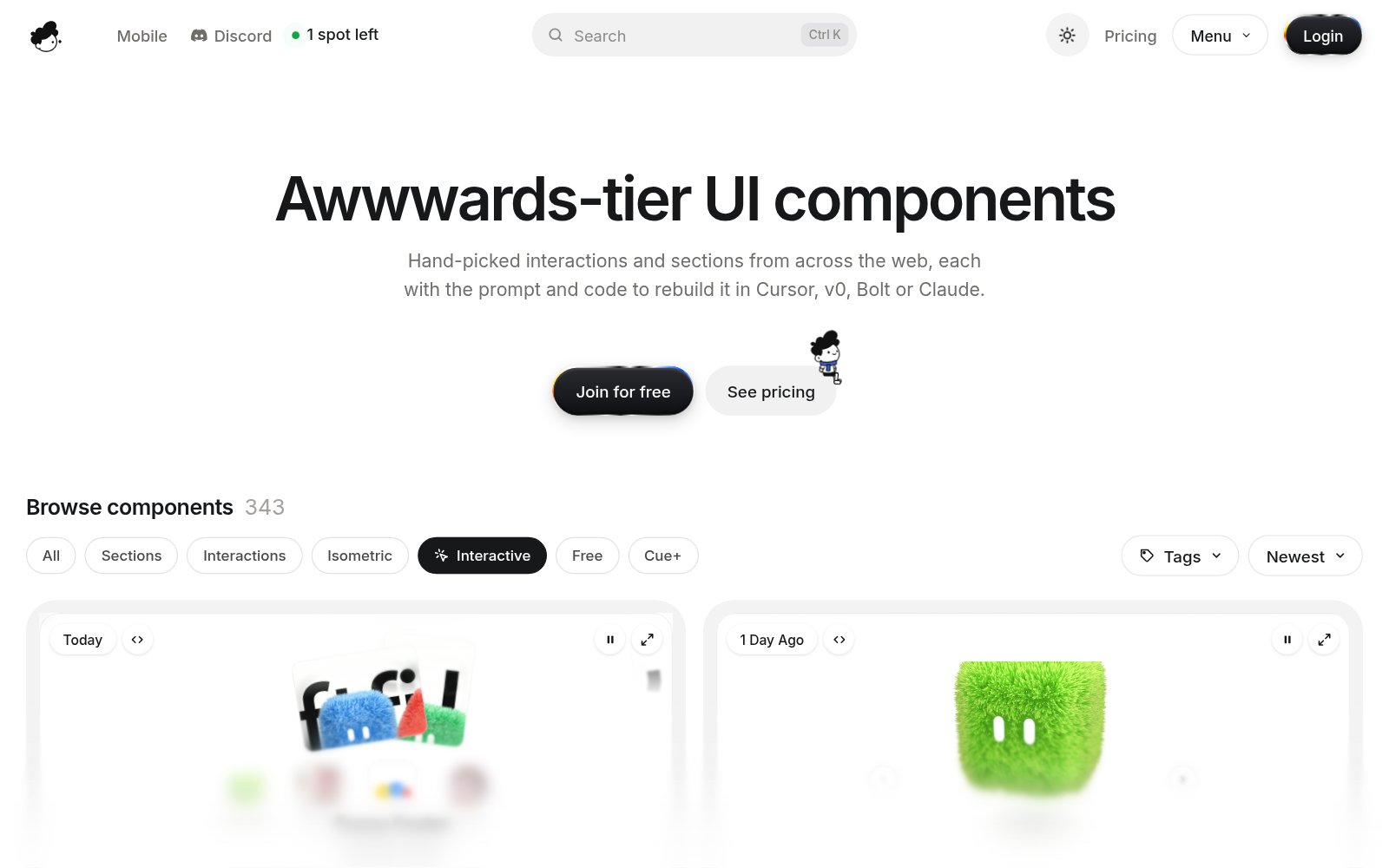
Last 30 days $2,748
Cue
A component library for AI-built websites, each component with a prompt and code
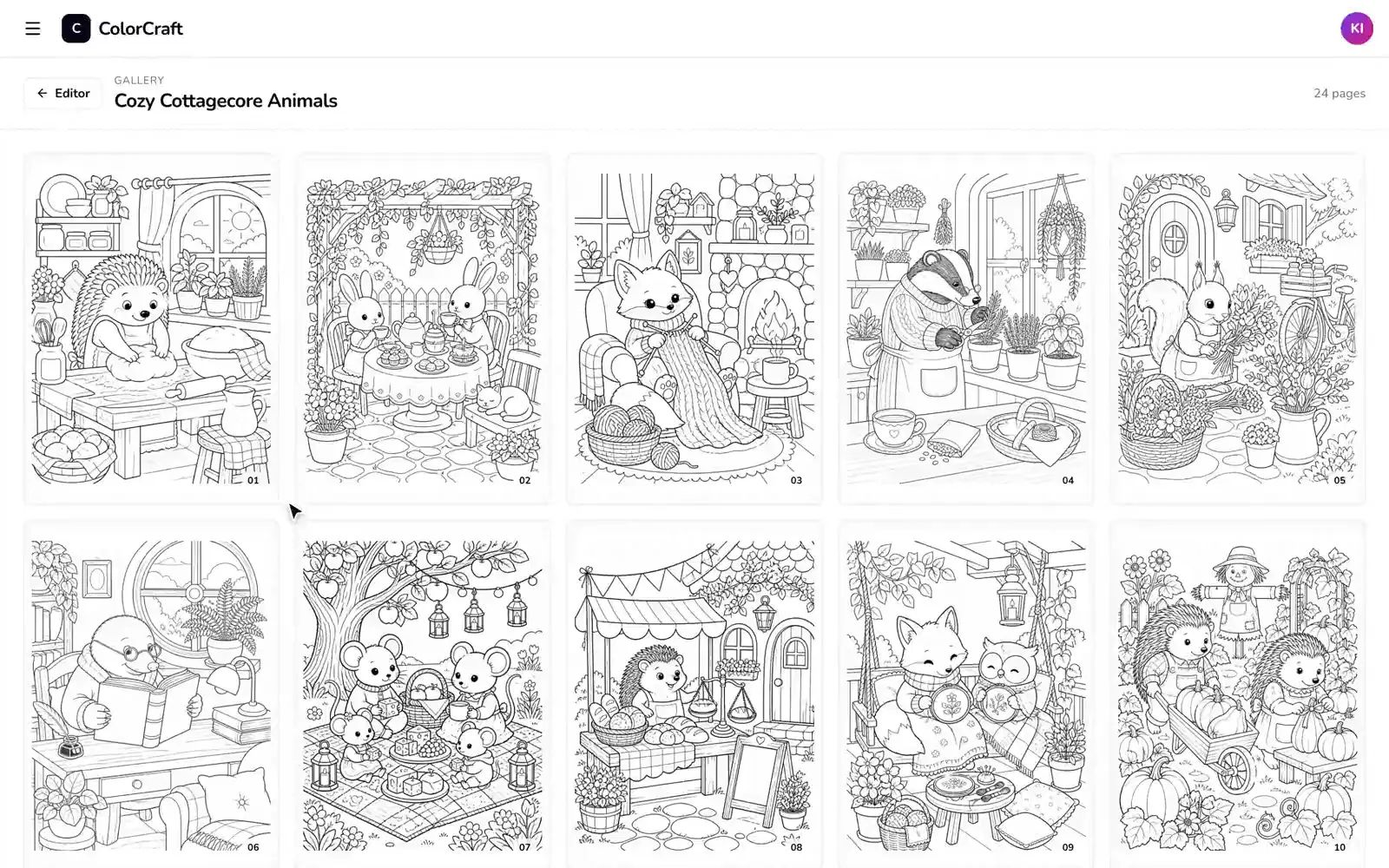
Last 30 days $2,730
ColorCraft
A web app that turns a sentence into a coloring book you can list for sale