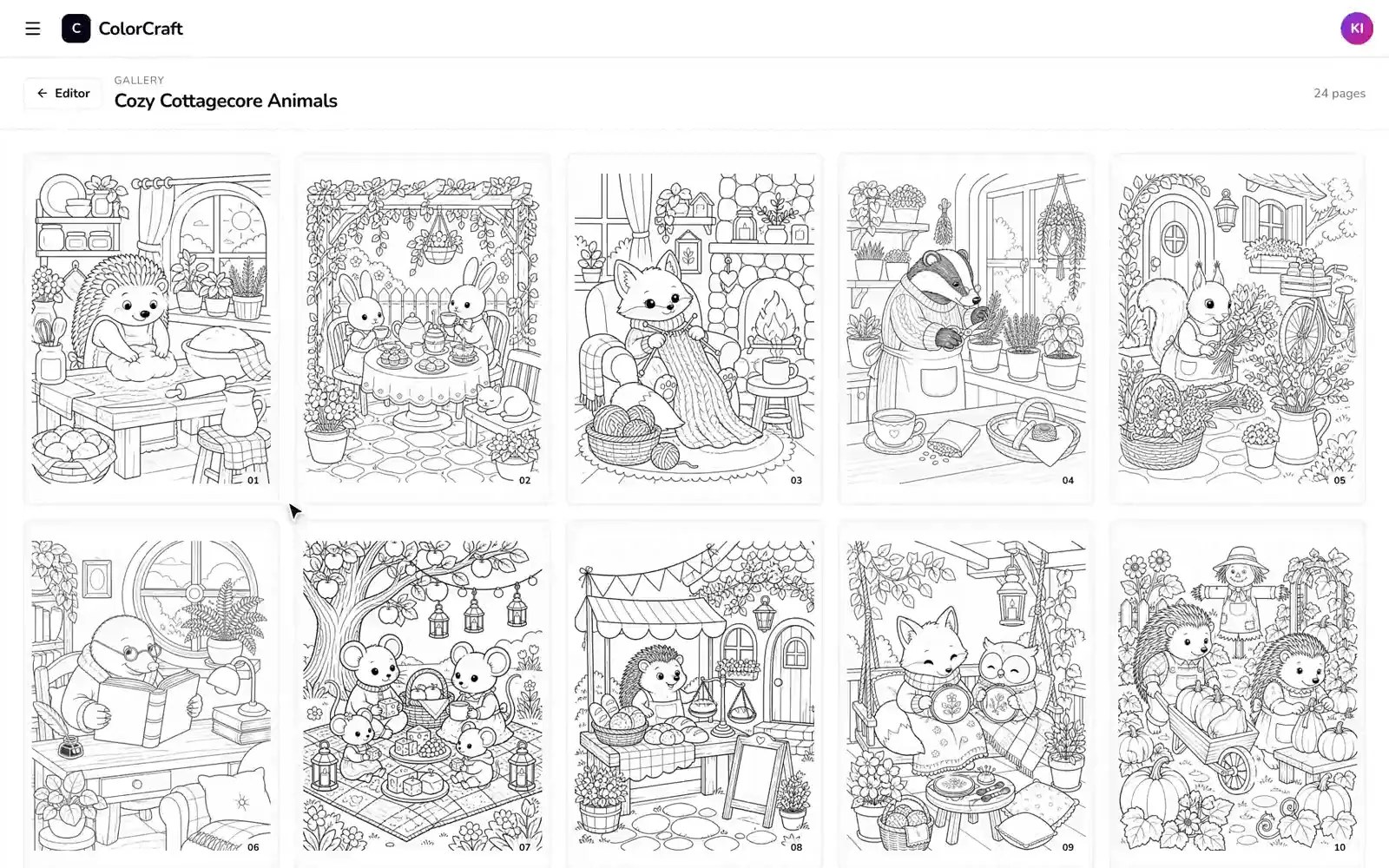
John Kirby built the coloring book maker ColorCraft alone on nights and weekends with Cursor. Last 30 days: $2,730, verified via Stripe
Self-publishers juggle several tools to make one book. He put those steps into one web app: one sentence becomes a whole book, exported as files ready for Amazon KDP.
Key points from sources
- TrustMRR project page, November 19, 2026: $2,730 over the last 30 days, $2,457 MRR, 132 active subscriptions, $8,104 all-time.
- His own post on X, November 8, 2026: "675% MRR increase in just 3 months."
- His own post on X, May 16, 2026: 2,450 signups, 1,373 generated something, 80 paid.
- TrustMRR lists the founding date as May 5, 2025.
Last-30-day revenue is read by TrustMRR directly from his Stripe account. Signups, conversion rates and per-image costs are his own posts on X.
Who is he?
John Kirby has a full-time job leading large software programs and builds products at night. He also renovates and runs short-term rentals in North Carolina, and has about 155 followers on X. ColorCraft is one of several side projects.
What did he build?
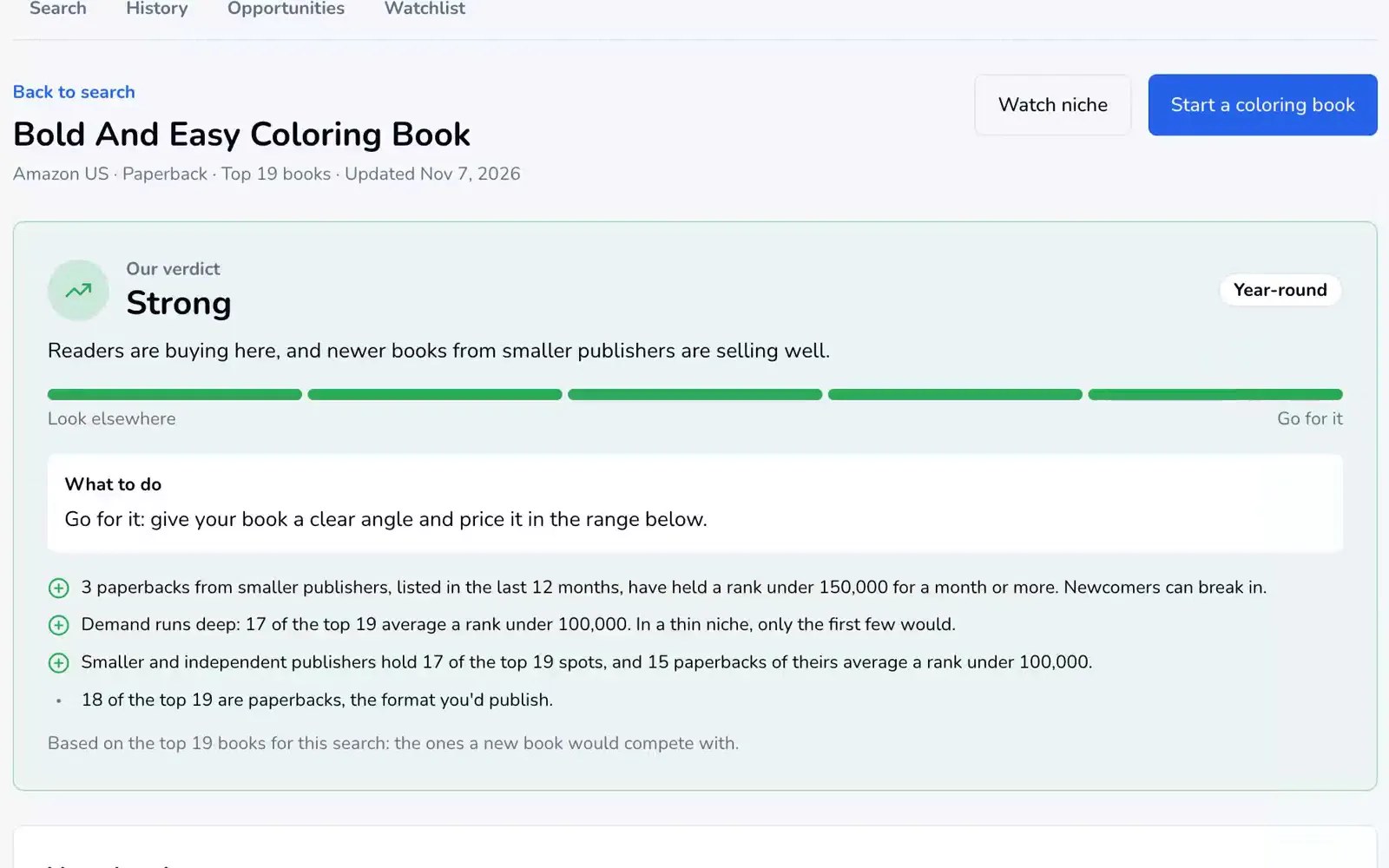
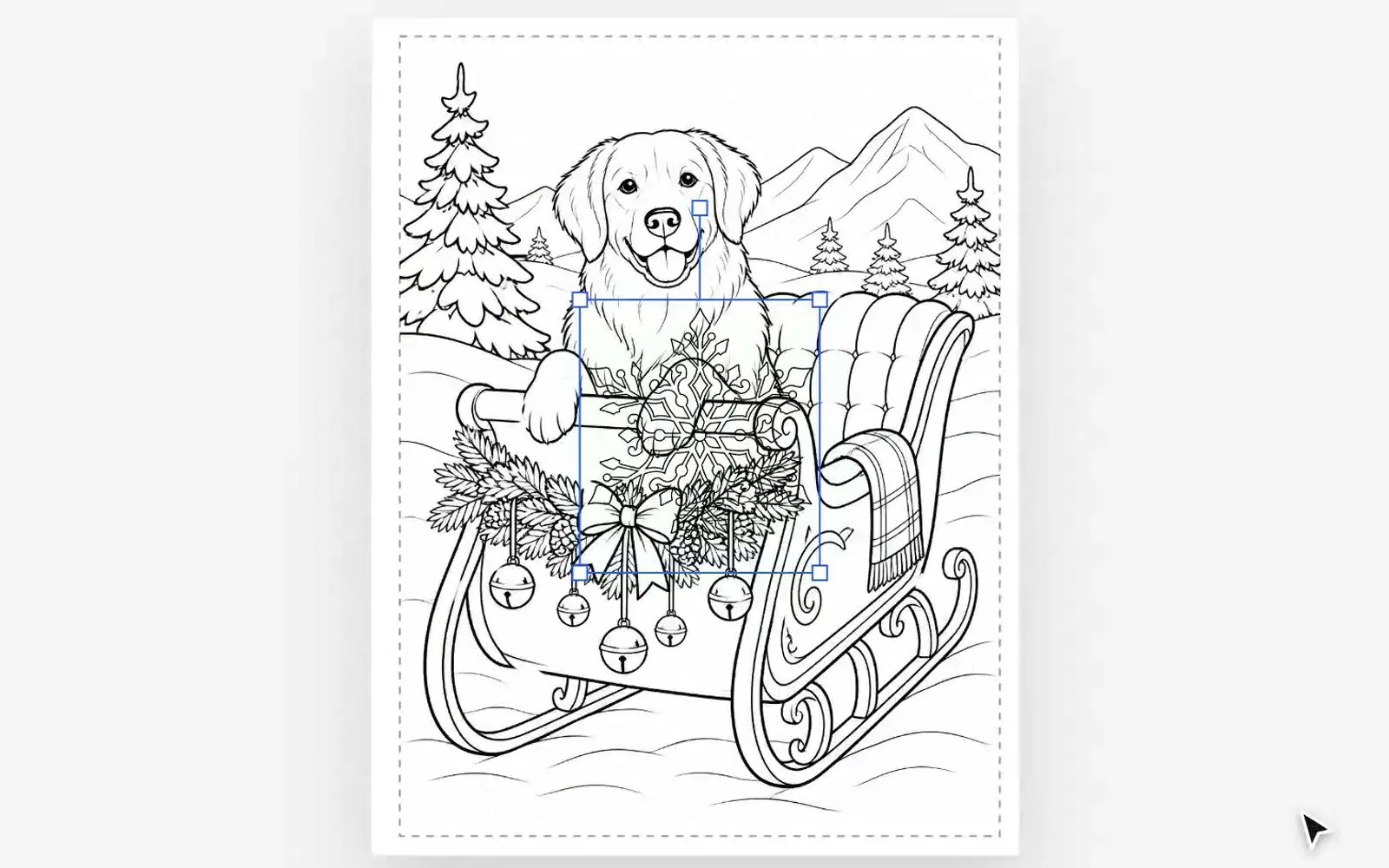
ColorCraft: describe a book in one sentence, and it draws every page and exports a PDF and cover ready for Amazon KDP.
Before: By his account on TrustMRR, self-publishers had to stitch together four to seven tools to make one book.
Now: Now everything from idea to print-ready PDF happens in one place. The cover is sized to the page count automatically, and the files pass KDP's checks. It started with coloring books and later added storybooks, comics and puzzle books.
Plans run from $9 to $119 a month, after a 7-day trial that requires a card.
How does AI fit in?
AI shows up in two places: writing the code and drawing the pages in the product.
Writing the code: he said on X that he barely wrote any code. The app was built with AI tools like Cursor, on top of Supabase, Vercel and Stripe.
Drawing: every page is generated by an OpenAI image model. He says each image costs about $0.005.
The problems he has shared publicly were mostly about the free allowance:
- Worried about abuse and cost, he kept shrinking free credits. Then he checked the data: people who tried once or twice almost never paid, while people who made 10 to 30 attempts paid at 14.5%. In his words, there are no casual paying customers; users either get hooked or leave.
- About 40% of registered users never typed a single prompt (as reported).
How did he find customers?
- Reworked the free tier with data, and sold whole books instead of single images In May 2026 he dropped the free tier for a card-required 7-day trial with 24 pages, enough to finish a whole book. He says a trial costs him about $0.12, against about $14 a month from a paying user (his own figures).
- Let search do the promotion He offers free KDP spine and royalty calculators and hundreds of free printable coloring pages. On September 20, 2026, he posted on X that he hadn't marketed it in months and MRR kept going up.
- Kept shipping In November 2026 he added printed copies shipped to your door and a bookstore where authors can sell printed books.
Worth knowing
- Only the revenue is verified Stripe confirms the revenue. Signups, conversion rates and costs are his own figures.
- Revenue isn't profit AI images, servers and payment fees come out first.
- Small, and it took time It launched in May 2025. About 18 months later, revenue is around $2,000 a month.
- He's not a beginner He already works in software, which makes it much easier to check code an AI wrote.
- Most people who signed up didn't pay About 40% of registered users never typed a single prompt (as reported).
- KDP has its own rules Amazon asks publishers to disclose AI-generated content and may remove books that break its content guidelines. Read KDP's content guidelines before building for this market.
Try it yourself
John's approach works for many small AI tools: find people who already pay to get a job done, pull the pile of tools they juggle into one place, and give the trial enough room to finish one complete result. He hasn't shared much of his process, so below are the steps with sources.
What you'll need
- A group of people who already pay for a repeat task, such as self-publishers on Amazon KDP.
- A Cursor account to have AI write the code.
- A Stripe account to take payments.
- A pay-per-use AI image API.
- A few weekends for the first version, then a few hours a week (our estimate).
-
Find people who already pay, and count the tools they juggle
What he didHe picked KDP self-publishers. By his account, they stitch together four to seven tools to make one book.
What you do nowRead their forums and groups, and list every step and tool needed to finish one job. Your product only needs to bring the slowest two or three into one place.
-
Build the smallest version with AI
What he didHe says he barely wrote any code, building the app with AI tools like Cursor on top of Supabase, Vercel and Stripe.
What you do nowDescribe one flow, such as "enter an idea, get 10 pages, download one PDF." Use free tiers for the database and hosting, and upgrade once you have paying users.
-
Work out what each use costs you
What he didHe says each image costs about $0.005, so a 24-page trial costs about $0.12 (his own figures).
What you do nowBefore setting prices or a free allowance, run 20 real uses and check your AI bill.
-
Give the trial enough room to finish one complete result
What he didHis data showed people who tried once or twice rarely paid, and people who made 10 or more attempts did. He switched to a card-required 7-day trial with 24 pages, enough for a whole book (his own figures).
What you do nowMake the trial big enough for users to finish one real, complete result. Group users by how many times they used it, and see who paid.
Common beginner mistakes
- Guessing your AI cost per use instead of checking the bill.
- A free allowance so small nobody reaches the result they came for.
- Selling to KDP authors without reading Amazon's AI disclosure and content rules.
- Shipping AI-written login and payment code without testing it carefully.
Realistic expectations
ColorCraft took about 18 months to reach around $2,000 a month, and John already works in software. By his own account, MRR rose 675% in the three months to November 2026. Most small apps make little or nothing. A realistic first goal is 10 people finishing one complete result with your tool, then your first 5 paying users. AI, servers and payment fees take a share of revenue.
Tool prices come from each tool's official pricing page, checked on November 19, 2026. Prices change often, so check again before you pay. Times marked "our estimate" are rough guesses for a beginner.
Quick answers
How much did John Kirby make with ColorCraft?
As of November 19, 2026, the TrustMRR table shows $2,730 over the last 30 days, $2,457 MRR and $8,104 all-time, verified via Stripe.
Which AI tools does he use?
Cursor for the code, and the OpenAI image API to draw the pages.
How do I start?
Find people who already pay, count the tools they juggle, then build the smallest version with AI. All 4 steps are under "Try it yourself" on this page.
Is this result typical?
No. He works in software, and it took about 18 months. Most small apps make very little.
Tools
- Cursor: Has AI write the app's code; he says he barely wrote any himself.
- OpenAI image API: Generates every page; he says each costs about $0.005.
- Supabase: Database and sign-in.
- Vercel: Hosts the site.
- Stripe: Takes subscription payments; TrustMRR reads it to verify revenue.
Sources
- TrustMRR project page, November 19, 2026
- AI Paid Me: ColorCraft, Checked November 10, 2026
- Shipped & Paid: ColorCraft (earlier snapshot), November 2, 2026
- Cursor, Supabase, Vercel, OpenAI API and Stripe official pricing pages, Checked November 19, 2026
DisclaimerThis is one person's result, summarized from the sources above. It isn't typical, it isn't a promise, and it isn't financial, legal or tax advice.